
You Noticed It. Now What?
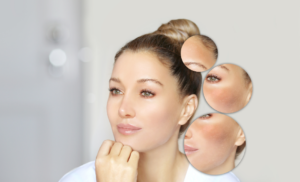
You glance in the mirror one morning and notice it — your skin looks darker than it used to. Around your cheeks, forehead, neck, or even your underarms. You have tried fairness creams, home remedies, and expensive serums. Nothing works. And nobody has given you a straight answer.
That is because most people are treating the symptom — not the cause.
“One of the most common complaints I hear from patients across India is uneven skin darkening,” says Dr. Lipy Gupta, a leading dermatologist. “And almost always, the root cause has been completely missed — sometimes for years.”
Here are the 7 most common — and most overlooked — reasons your skin is getting darker.
- 🌞 Unprotected Sun Exposure — The Silent Culprit
India receives intense UV radiation year-round. When UV rays hit the skin, they trigger melanocytes — the cells responsible for producing melanin — into overdrive. The result is tanning, dark spots, and over time, deeply set hyperpigmentation.
“What surprises most of my patients,” notes Dr. Gupta, “is that significant UV damage happens even on cloudy days, indoors near windows, and during short commutes. The sun does not need to feel hot to cause damage.”
What to do: Broad-spectrum SPF 50 sunscreen, applied every morning and reapplied every 2–3 hours outdoors, is non-negotiable — not optional.
- 💊 Your Medications Could Be Darkening Your Skin
Certain commonly prescribed medications — including some antibiotics, antimalarials, antipsychotics, and even oral contraceptives — carry a documented side effect of drug-induced hyperpigmentation. This is vastly underdiagnosed in India.
“Patients come to me after spending thousands on skincare products,” says Dr. Gupta, “when the darkening was actually a direct response to a medication they had been taking for months. A proper medication review changes everything.”
What to do: If skin darkening began around the same time as a new medication, consult your dermatologist immediately for a thorough review.
- 🩺 Hormonal Imbalance — Especially in Women
Melasma — the brown or grey-brown patches that appear on the face — is directly linked to hormonal fluctuations. It is triggered by pregnancy, thyroid disorders, polycystic ovarian syndrome (PCOS), and hormonal contraceptives.
“Melasma is one of the most stubborn conditions in dermatology because it has an internal hormonal driver,” explains Dr. Gupta. “No cream will fully resolve it without addressing the hormonal root cause first. That is why a blood workup is often part of my initial assessment.”
What to do: A combined approach — hormonal evaluation, sun protection, and targeted dermatological treatment — is the only reliable solution.
- 🧴 The Wrong Skincare Products Are Making It Worse
This is a deeply ironic — and extremely common — problem. Many over-the-counter skin-brightening and fairness products sold in India contain harmful ingredients such as mercury, hydroquinone in unregulated concentrations, and potent steroids. These damage the skin barrier, cause rebound darkening, and in some cases lead to steroid-induced skin atrophy.
“I see patients who have used popular fairness creams for years and their pigmentation is significantly worse than when they started,” says Dr. Gupta. “The cream gave them temporary lightening, which masked the damage happening underneath.”
What to do: Discontinue any unregulated brightening product immediately. Seek a dermatologist-prescribed regimen instead.
- 😓 Post-Inflammatory Hyperpigmentation (PIH)
Every time Indian skin is inflamed — whether from acne, a rash, an insect bite, or even aggressive scrubbing — it heals by depositing excess melanin. The result is a dark mark left long after the original problem has healed. This is called Post-Inflammatory Hyperpigmentation and it is extremely prevalent in South Asian skin tones.
“PIH is the aftermath of inflammation,” explains Dr. Gupta. “The real mistake is when people try to scrub or treat these marks aggressively — that causes more inflammation and more darkening. Patience and the right actives are key.”
What to do: Avoid picking, scrubbing, or using harsh products on healing skin. Ingredients like niacinamide, azelaic acid, and tranexamic acid — under dermatological guidance — are effective for PIH.
- 🍬 Insulin Resistance & Acanthosis Nigricans
If you notice velvety, dark patches specifically on the back of your neck, armpits, groin, or inner thighs — this may not be a skincare problem at all. Acanthosis Nigricans is a skin condition directly associated with insulin resistance, Type 2 diabetes, and obesity.
“When I see this pattern of darkening, my first instinct is not to prescribe a cream,” says Dr. Gupta. “I send the patient for a fasting insulin and glucose test. The skin is telling us something important about internal metabolic health.”
What to do: This condition requires medical — not cosmetic — management. A dermatologist and endocrinologist working together deliver the best outcomes.
- 😰 Chronic Stress & Sleep Deprivation
Cortisol — the body’s primary stress hormone — directly stimulates melanin production when chronically elevated. Combined with poor sleep (which impairs the skin’s overnight repair cycle), stress creates a compounding effect on skin darkening and dullness.
“Stress-related skin changes are real and clinically documented,” affirms Dr. Gupta. “I always ask my patients about their sleep quality and stress levels during consultation. Skin does not exist in isolation from the rest of your body.”
What to do: Prioritise 7–9 hours of quality sleep. Incorporate stress-regulation practices — yoga, breathwork, digital detox — as part of your skin health routine.
The Bottom Line
Skin darkening in India is common — but it is not something you simply have to live with, nor is it something a fairness cream can fix. The solution lies in accurate diagnosis, understanding the root cause, and following a treatment plan designed specifically for your skin, your hormones, and your lifestyle.
If your skin has been changing and you do not know why, Dr. Lipy Gupta offers comprehensive skin consultations — both in-clinic and online across India — to get you real answers and a real plan.
📞 Book a consultation at www.drlipygupta.com
Authored by Dr. Lipy Gupta | Consultant Dermatologist | Helping patients across India understand and heal their skin.