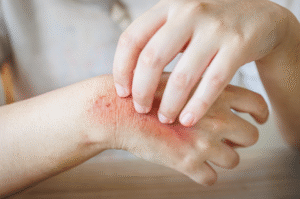
Skin allergies are among the most common reasons people visit a dermatologist — and yet, they’re often misunderstood or ignored until they cause significant discomfort. From redness and itching to rashes and swelling, allergic skin reactions can vary from mild irritation to chronic, recurring conditions that affect daily life.
In this detailed guide, Dr. Lipy Gupta, a leading dermatologist in Delhi, explains everything you need to know about skin allergies — their causes, types, diagnosis, and effective treatment options.
What Is a Skin Allergy?
A skin allergy occurs when your immune system overreacts to a harmless substance that comes into contact with your skin. The body identifies this substance — called an allergen — as a threat, triggering an inflammatory response that leads to itching, redness, rashes, or swelling.
In simpler terms, a skin allergy is your body’s way of saying “I don’t like this!” — even though the trigger might be harmless for most people.
Common Causes of Skin Allergies
Skin allergies can develop due to a wide range of factors. Some people have a genetic predisposition, while others develop sensitivities over time. The most common causes include:
- Cosmetics and Skincare Products
Fragrances, preservatives, and certain ingredients in creams, soaps, or makeup can cause allergic reactions — especially on sensitive skin.
- Metals
Nickel (commonly found in jewelry, watches, and belt buckles) is one of the most frequent triggers of contact dermatitis.
- Clothing and Detergents
Laundry detergents, fabric softeners, or synthetic fabrics can irritate the skin and cause rashes.
- Medications
Topical or oral medicines like antibiotics, antiseptics, or painkillers can sometimes trigger allergic reactions.
- Food Allergies
Certain foods like nuts, dairy, shellfish, and eggs can cause skin symptoms such as hives or eczema flare-ups.
- Insect Bites or Stings
Mosquitoes, bees, and ants can cause localized allergic reactions, sometimes severe enough to need medical care.
- Environmental Factors
Pollen, dust mites, pet dander, and mold spores are well-known triggers of atopic dermatitis (eczema) and other allergic rashes.
Types of Skin Allergies
Understanding the type of skin allergy helps determine the right treatment. Here are the most common types seen in dermatology practice:
- Contact Dermatitis
This happens when your skin directly touches an allergen. Common examples include:
- Metal (nickel) in jewelry
- Perfumed soaps or shampoos
- Latex gloves
Symptoms: Redness, itching, blisters, and dry patches on the affected area.
- Atopic Dermatitis (Eczema)
A chronic skin condition often linked with asthma or hay fever. It usually begins in childhood and can persist into adulthood.
Symptoms: Dry, itchy, and inflamed skin, usually on the elbows, knees, or face.
- Urticaria (Hives)
Hives are raised, red, itchy welts that appear suddenly and can last from a few hours to several days.
They may result from foods, medications, stress, or temperature changes.
- Angioedema
A deeper form of swelling beneath the skin, often occurring around the eyes, lips, hands, or feet.
It can accompany hives and, in rare cases, cause breathing difficulty — needing emergency attention.
- Drug-Induced Skin Allergies
Some medications can trigger rashes, itching, or redness — even after a few doses. It’s important to inform your doctor about all medications you’re taking before starting any new treatment.
Common Symptoms of Skin Allergies
While symptoms vary, you should suspect a skin allergy if you experience:
- Redness or discoloration of skin
- Persistent itching or burning sensation
- Small bumps, rashes, or hives
- Swelling or puffiness
- Dry, cracked, or scaly skin
- Fluid-filled blisters or oozing
- Peeling or flaking of the skin
These symptoms may appear within minutes to hours after contact with the allergen — or sometimes even days later.
How Skin Allergies Are Diagnosed
Accurate diagnosis is key to treating allergies effectively. Dr. Lipy Gupta follows a structured approach that includes:
- Detailed Medical History
Understanding your lifestyle, skincare routine, and exposure to potential irritants helps identify the likely allergen.
- Patch Testing
A specialized test where small amounts of suspected allergens are applied to your back under patches.
After 48–72 hours, the skin is examined for reactions, pinpointing the exact trigger.
- Blood Tests
In some cases, blood tests may be done to identify elevated IgE levels (allergy-related antibodies).
- Elimination Method
You may be advised to avoid suspected products or foods for a few weeks to see if symptoms improve.
Treatment Options for Skin Allergies
Treatment depends on the type and severity of the reaction. Dr. Lipy Gupta tailors every treatment plan based on the patient’s specific condition.
- Topical Medications
- Corticosteroid creams or ointments reduce inflammation and itching.
- Calamine lotion soothes irritated skin.
- Moisturizers and emollients help restore the skin barrier and prevent dryness.
- Oral Medications
- Antihistamines help relieve itching and redness.
- Oral corticosteroids may be prescribed for severe reactions.
- Antibiotics are used if there’s a secondary skin infection due to scratching.
- Phototherapy (Light Therapy)
For chronic eczema or dermatitis, controlled exposure to UV light can reduce symptoms and inflammation.
- Allergen Avoidance
Once the allergen is identified, complete avoidance is crucial. This may include:
- Switching to fragrance-free skincare products
- Wearing pure cotton fabrics
- Using hypoallergenic detergents
- Avoiding nickel-containing accessories
- Immunotherapy (Desensitization)
For recurring allergic reactions, gradual exposure to the allergen under medical supervision helps reduce sensitivity over time.
Lifestyle Tips to Prevent Skin Allergies
- Keep your skin hydrated: Use dermatologist-recommended moisturizers regularly.
- Avoid scratching: It worsens inflammation and increases infection risk.
- Opt for gentle skincare: Avoid alcohol-based toners, harsh scrubs, and strong fragrances.
- Choose cotton clothing: Breathable fabrics reduce irritation and sweating.
- Wash new clothes before wearing: Removes chemical residues.
- Stay hydrated and eat healthy: Foods rich in Vitamin C, Omega-3, and antioxidants strengthen skin health.
- Manage stress: Stress hormones can worsen allergic conditions like eczema and hives.
- Regular dermatologist check-ups: Especially if you have chronic or recurrent allergic reactions.
Home Remedies for Mild Skin Allergies (Under Dermatologist Guidance)
While medical treatment is essential for moderate or severe allergies, mild cases may benefit from soothing remedies like:
- Cold compress: Reduces itching and swelling.
- Aloe vera gel: Has cooling and anti-inflammatory effects.
- Oatmeal bath: Calms irritated skin and relieves itching.
- Coconut oil: Moisturizes and helps repair the skin barrier.
Always consult your dermatologist before trying home remedies, especially if you have sensitive or allergy-prone skin.
Why Consult Dr. Lipy Gupta for Skin Allergies
Dr. Lipy Gupta is one of Delhi’s most trusted dermatologists, known for her evidence-based and patient-friendly approach to allergy management.
Her Expertise Includes:
- Comprehensive evaluation and diagnosis of skin allergies
- Personalized treatment plans
- Modern procedures like patch testing and phototherapy
- Experience in managing chronic eczema and urticaria
- Emphasis on long-term prevention and skin barrier repair
With her experience and compassionate care, patients experience not just symptom relief but also improved skin health and confidence.
When to See a Dermatologist Immediately
Seek urgent medical care if you notice:
- Sudden, widespread hives or rashes
- Difficulty breathing or facial swelling (could indicate anaphylaxis)
- Oozing blisters or pus-filled lesions
- Persistent itching that affects sleep
- Rash accompanied by fever or joint pain
Early diagnosis and treatment prevent complications and long-term skin damage.
Conclusion
Skin allergies may seem minor at first, but they can significantly affect your quality of life if left untreated.
With the right diagnosis and professional care, most skin allergies are easily manageable and preventable.
If you’re experiencing itching, redness, or unexplained skin rashes, it’s time to consult an expert.
Dr. Lipy Gupta, one of the best dermatologists in Delhi, offers advanced care for all types of skin allergies — ensuring healthy, clear, and allergy-free skin.