
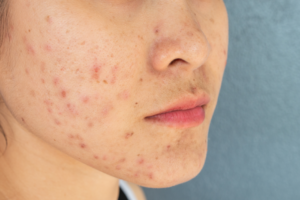
You finished your course of medication. Your skin cleared up. You felt relieved. And then — a few weeks later — the breakouts returned. If this cycle sounds painfully familiar, you are not alone.
Recurring acne is one of the most frustrating concerns in dermatology. Patients across India spend thousands of rupees on products and treatments, only to find themselves back at square one. The reason is almost always the same: the root cause was never properly identified or addressed.
“Treating acne without finding the underlying trigger is like mopping the floor while the tap is still running. You see temporary results, but the problem never truly resolves.” — Dr. Lipy Gupta, Consultant Dermatologist
1. You Stopped Treatment Too Early
Acne treatment requires patience. Most prescription regimens need 8 to 12 weeks to show full results, and many patients stop as soon as visible improvement appears — long before the underlying bacterial and inflammatory activity has been controlled.
Dr. Gupta says: “I always tell my patients — clearing visible acne is phase one. Preventing recurrence is phase two. Stopping at phase one is the most common mistake I see.”
2. Hormonal Fluctuations Are the Real Driver
For millions of Indian women, acne is not a skin problem — it is a hormonal one. Conditions such as PCOS, thyroid imbalance, and fluctuating oestrogen and progesterone levels directly stimulate sebaceous gland activity, leading to cyclical, stubborn breakouts that no topical treatment alone can resolve.
“If a woman’s acne reliably worsens around her menstrual cycle, or if it is concentrated on the jawline and chin, hormonal evaluation is the first thing I recommend — not another cream.” — Dr. Lipy Gupta
3. Your Diet Is Fuelling Inflammation
Research consistently links high-glycaemic diets — rich in refined carbohydrates, sugar, and dairy — to increased sebum production and acne severity. In India, diets high in white rice, maida, and sweetened beverages are a frequently overlooked acne trigger.
Clinical Fact: Studies show that reducing dairy and high-GI foods can measurably reduce acne severity within 10 weeks — even without medication changes.
4. Your Skincare Routine Is Clogging Your Pores
Heavy moisturisers, oil-based sunscreens, and makeup products with comedogenic ingredients silently block pores and perpetuate acne cycles. Many patients use well-intentioned products that are entirely inappropriate for their skin type.
“I review my acne patients’ entire skincare and makeup routine at every consultation. Products are frequently the hidden culprit — especially when the patient insists they are doing everything right.” — Dr. Lipy Gupta
5. Stress and Sleep Deprivation Are Underestimated Triggers
Cortisol — the stress hormone — directly increases oil production in the skin. India’s urban population, dealing with demanding careers, long commutes, and poor sleep, is particularly vulnerable to stress-driven acne that conventional treatment alone cannot fix.
6. You May Need a Different Type of Treatment
Not all acne is the same. Comedonal acne, cystic acne, hormonal acne, and fungal acne (which masquerades as regular pimples) each require fundamentally different treatment approaches. Using the wrong treatment for the wrong type of acne explains why so many patients cycle through products without lasting results.
Dr. Gupta says: “Fungal acne is one of the most commonly misdiagnosed conditions I see. It looks identical to bacterial acne but does not respond to antibiotics — in fact, antibiotics can make it worse. Accurate diagnosis changes everything.”
7. You Are Not Seeing the Right Specialist
General practitioners and over-the-counter products can manage mild, occasional acne. But recurring, treatment-resistant acne requires the expertise of a qualified dermatologist who can perform a thorough assessment — including hormonal testing, skin type analysis, and trigger identification — before designing a personalised protocol.
Dr. Lipy Gupta, widely regarded as one of the best skin doctors in India for acne management, offers comprehensive acne consultations — both in-clinic and online — for patients across the country. Her approach addresses not just the breakouts, but the biological, hormonal, and lifestyle drivers that keep acne coming back.